
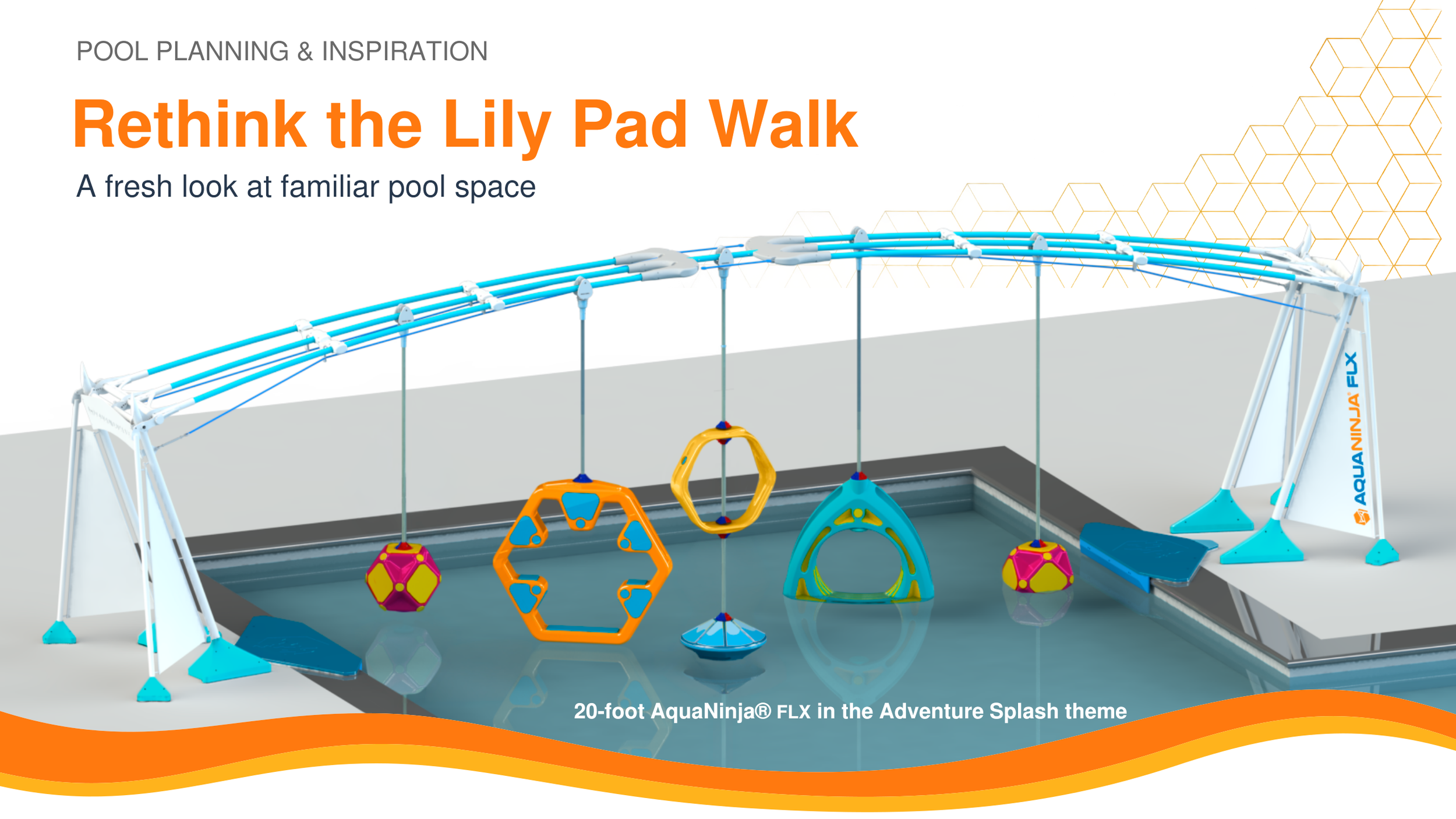
Lily pad walks have been a familiar pool feature for decades, giving younger children a fun way to test their balance. But after all these years, isn’t it time to offer something new?
Today’s aquatic facilities have an opportunity to catch up with Generation Alpha and prepare for Generation Beta while creating an experience that appeals to all ages. Imagine a challenge that invites children, teens, and adults to reach, balance, and solve problems as they find their own way across the water.
get more value from your lily pad area
A familiar feature may still be popular, but it is worth considering what more that space could offer. As facilities evaluate aging equipment and future upgrades, the question goes beyond the cost of repairs: Could this area bring a new kind of challenge to more of your guests?
Your existing lily pad area is valuable pool real estate. Rethinking how it is used can create an opportunity to engage a wider range of guests and introduce a new experience within your existing pool.
Consider how the area serves your community today and what a refreshed experience could offer in the years ahead.
Give your facility something guests remember
When aquatic facilities consider how to stand out, the conversation often turns to a larger slide or an expanded pool. A distinctive experience can also come from rethinking a smaller area within the facility.
A unique recreation area can give people a reason to choose your facility. Adding an activity that guests cannot find at every nearby pool helps set your facility apart, particularly when it appeals to age groups that have fewer options beyond swimming.
A physical challenge can engage teens and adults alongside younger swimmers, offering more guests a reason to participate.
From watching the challenge to trying it
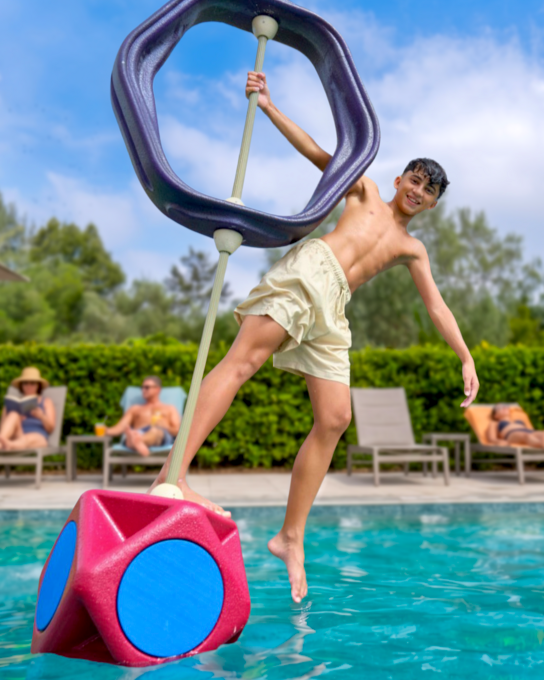
Obstacle course television shows such as American Ninja Warrior have made balancing, reaching, and working through difficult obstacles familiar entertainment. Part of the appeal is imagining how you would approach the course yourself.
That same curiosity can shape an aquatic experience. A traditional lily pad walk tests balance along a familiar crossing. A varied obstacle course can add decisions: where to reach, how to shift your weight, and what to change after an unsuccessful attempt.
The challenge becomes both physical and mental. Participants use problem solving as they experiment, adjust, and work out their next move. Success can mean completing the crossing or simply getting farther than last time.
New possibilities within an existing footprint
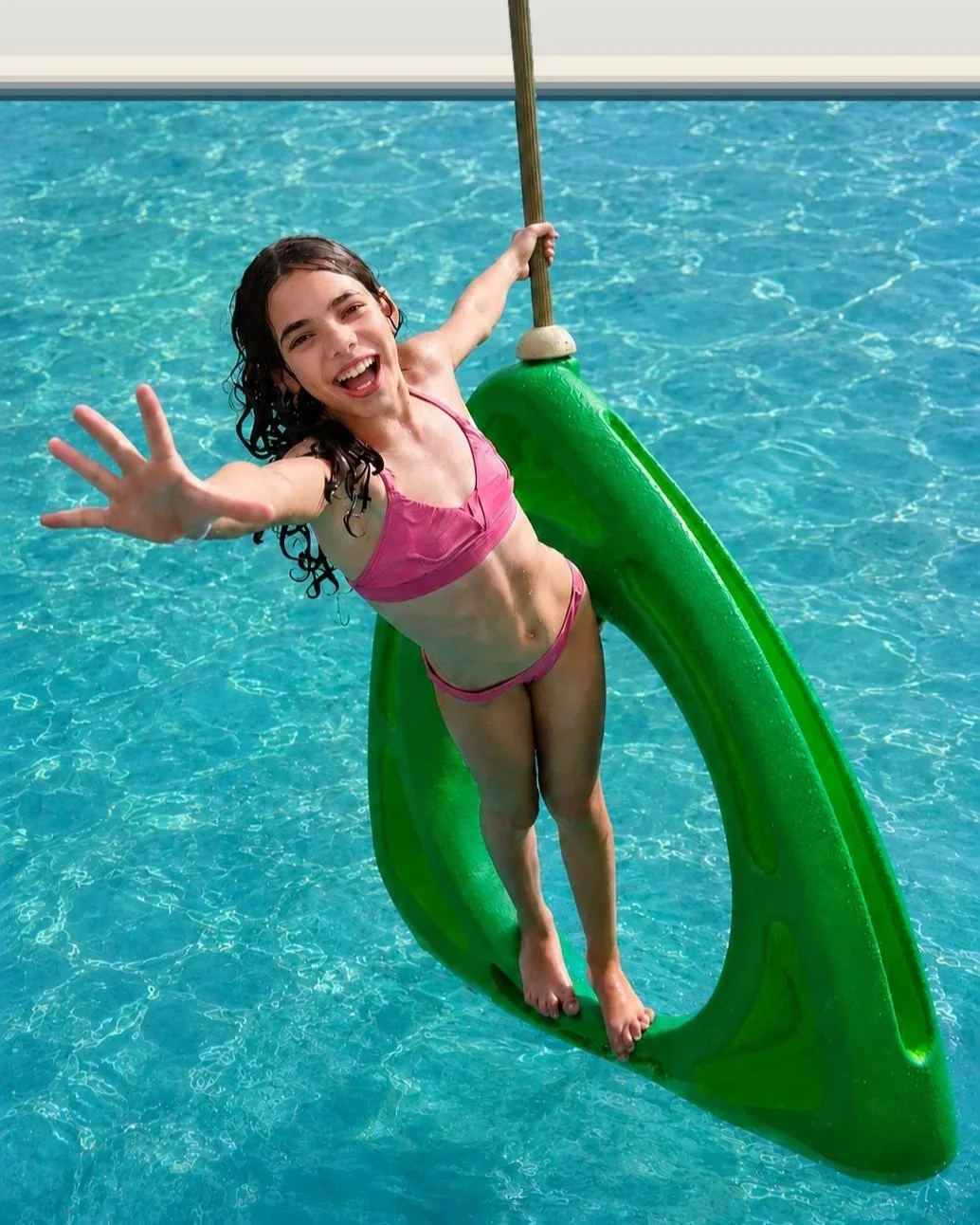
Working with a predefined body of water does not have to limit what comes next. An existing lily pad area can become a fresh, exciting obstacle course without a major renovation. By using the pool space already available, facilities can introduce new challenges and a different experience without changing the pool’s shape or expanding its footprint.
AquaNinja® FLX brings this idea to life with suspended obstacles that can be configured for suitable existing water walk areas. Its “Challenge by Choice” approach lets participants choose how they navigate the course, while interchangeable elements give facilities the flexibility to refresh the experience over time.
A retrofit begins with the site itself. Pool dimensions, water depth, deck space, and removal of the existing equipment all matter. Looking at those details early helps determine whether a new course fits the area and how it will work alongside other pool activities.
Practical questions about a water walk upgrade
-
No. it does not require plumbing or a dedicated water supply.
-
Your pool needs a minimum water depth of 3 feet 6 inches and a concrete deck at least 4 inches thick.
-
Yes, AquaNinja® FLX can be retrofitted into suitable existing water walk areas. Existing large concrete support columns may also be incorporated, subject to a review of their condition, dimensions, and compatibility with the installation requirements
-
Yes. Interchangeable challenge elements allow the course to be refreshed over time.
A different way to evaluate an upgrade
Before replacing a feature with more of the same, consider what you want that area to contribute: broader participation, a fresh challenge, or an experience that helps your facility stand out.
The most useful question may be: if this space were available today, would we choose the same feature again?